


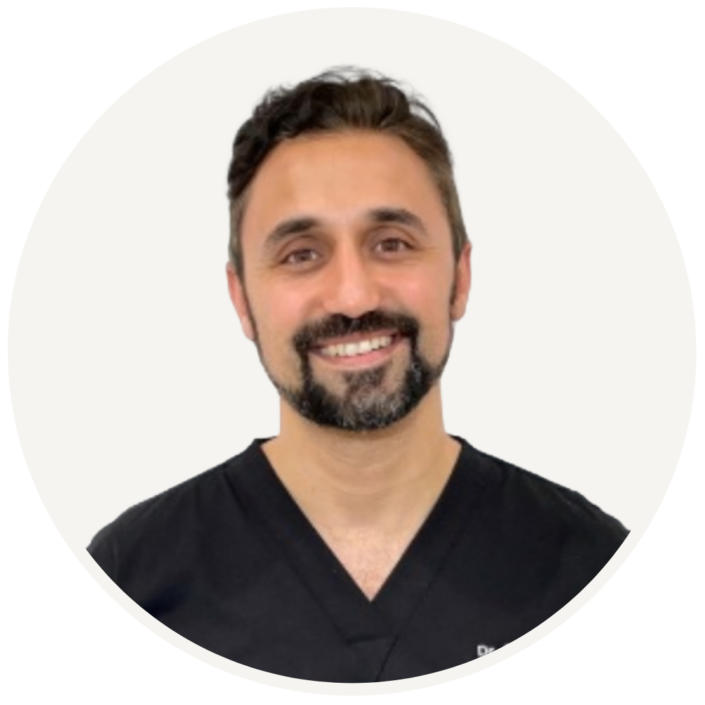
Dr. Omar Breik,
Australia
Oral and Maxillofacial Surgeon | Head and Neck Surgeon
BDSc (Hons) (University of Melbourne, Australia), MBBS (University of Adelaide, Australia), MClinSc, FRACDS (OMS)
Associate Professor Omar Breik is a highly regarded Oral and Maxillofacial Surgeon and Head and Neck Surgeon, recognised internationally for his clinical excellence, academic leadership and contributions to surgical innovation.
He completed his Dental Degree at the University of Melbourne, his Medical Degree at the University of Adelaide, and undertook specialist Oral and Maxillofacial Surgery training in Melbourne. Omar is a Fellow of the Royal Australasian College of Dental Surgeons (RACDS) and was awarded the College Medal for achieving the highest marks in both the Primary and Final Fellowship examinations.
Dr. Breik practices the full scope of Oral and Maxillofacial Surgery, including dentoalveolar surgery, complex extractions, dental implantology, bone grafting, facial skin cancer surgery and orthognathic surgery. He has also completed extensive advanced training in Oncology and Head and Neck Microvascular Reconstructive Surgery in the United Kingdom.
An active clinician–scientist, Omar has a strong research focus on advancing surgical techniques, improving outcomes and enhancing patient quality of life. He is currently completing a PhD in bioresorbable metals through the University of Queensland and holds the position of Associate Professor at Griffith University, where he collaborates with the Griffith Institute for Drug Discovery on cancer diagnostics and therapeutic development.
Dr. Breik has authored over 70 peer-reviewed publications, contributed to multiple book chapters, and is a sought-after speaker at national and international conferences. He currently serves as a Consultant Oral and Maxillofacial and Head and Neck Reconstructive Surgeon at the Royal Brisbane and Women’s Hospital.
Dr. Breik’s presentation will offer delegates valuable insight into the intersection of advanced clinical practice and translational research, making his session particularly relevant for clinicians seeking evidence-based strategies that can be applied to complex surgical and implant-related cases.